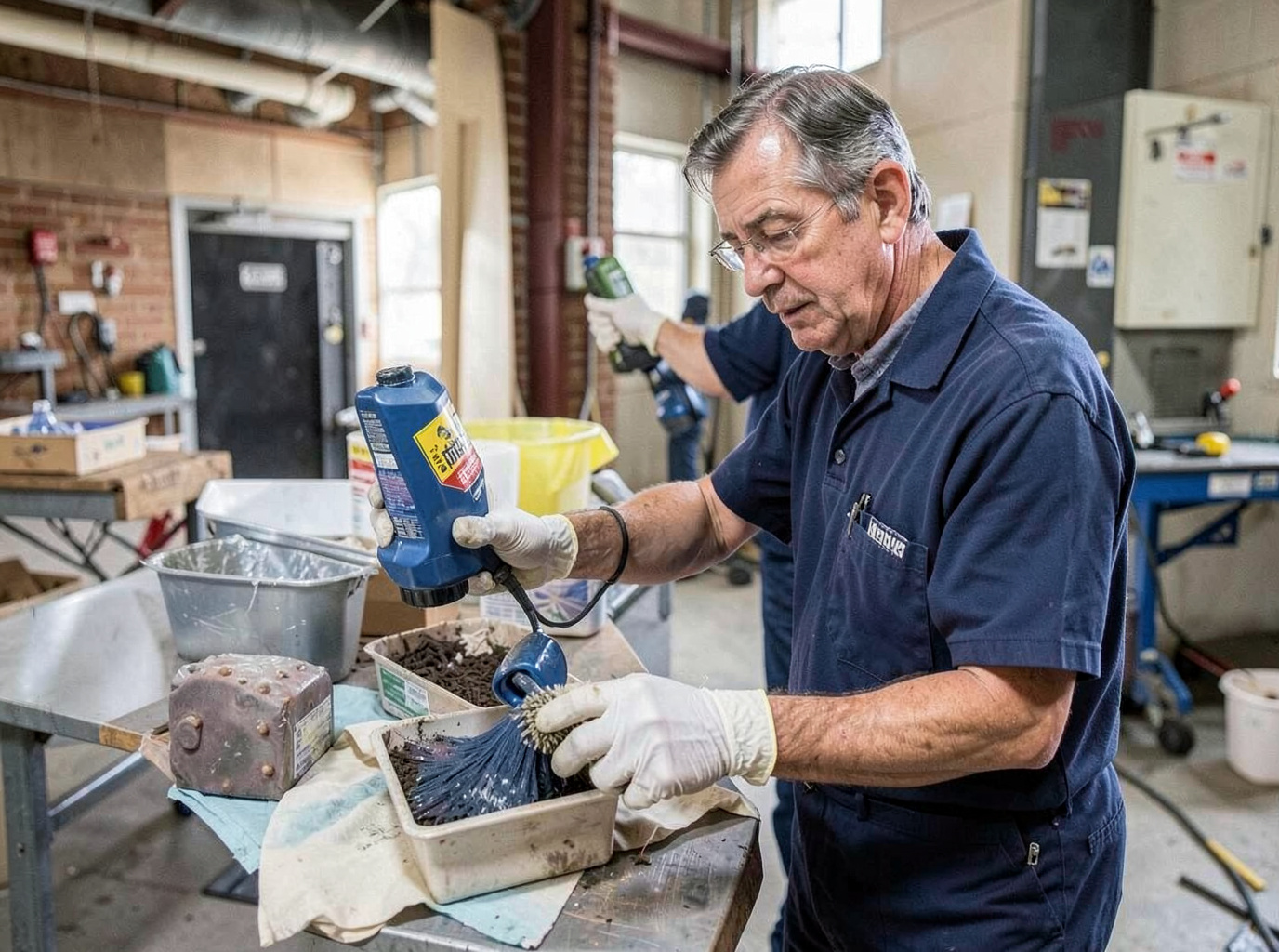
Smoke residue in Milwaukee's older housing stock, such as the brick and plaster homes common in the Third Ward and East Side, bonds differently to porous materials like wool rugs and cotton upholstery than it does to synthetics. Cold winters drive homeowners to seal homes tightly, allowing acidic smoke particles to settle deeper into contents before restoration begins. Technicians separate items by material type and residue pH early, using HEPA vacuums and specialized solvents that avoid water-based methods when humidity spikes during spring thaws.
Electronics and documents require distinct protocols in Milwaukee County because lake-effect moisture from the Lakefront accelerates corrosion on circuit boards once smoke oils are present. In neighborhoods like Riverwest and Walker's Point, where many properties date to the early 1900s, paper goods often sit in basements with limestone foundations that retain winter dampness. Recovery teams prioritize freeze-drying for books and use ultrasonic baths for small metal valuables while documenting chain of custody for insurance purposes.
Furniture and kitchenware cleaning accounts for the heavy soot loads typical after structure fires near industrial zones in Wauwatosa or Washington Heights. Warm summer conditions can cause rapid mold growth on cleaned textiles if drying is incomplete, so crews monitor dew points and use dehumidifiers calibrated for Milwaukee's variable climate. Edge cases include layered smoke on heirloom pieces from the Pabst Mansion area, where multiple cleaning passes and odor-neutralizing agents are needed before items can return to living spaces.
Technician insight
In Milwaukee's older Third Ward and Bay View homes, smoke from winter fires often travels through plaster lath walls and settles into contents because furnaces run constantly with windows sealed, so technicians must test for hidden residue on items that look clean at first glance.
Smoke-Affected Heirlooms in Bay View
A homeowner in Bay View called after a kitchen fire left soot on family textiles and documents stored in an upstairs closet. Crews found acidic residue had penetrated wool blankets and photo albums due to the home's tight winter sealing. Items were separated, cleaned with solvent methods, and returned after odor testing confirmed no lingering smoke.
Contents Cleaning Services We Offer
✓Textile and Fabric Restoration
Removes embedded smoke odors and residues from clothing, drapes, and rugs using solvent and ozone methods suited to Milwaukee winters.
✓Document and Paper Recovery
Freeze-dries and cleans books, photos, and records damaged by smoke in older East Side and Bay View homes.
✓Electronics and Appliance Cleaning
Cleans circuit boards and appliances to prevent corrosion from acidic smoke common after fires in humid Milwaukee summers.
✓Furniture and Upholstery Treatment
Treats wood, leather, and fabric pieces with targeted agents that address soot penetration in tightly sealed winter homes.
✓Jewelry and Valuables Cleaning
Restores metal and stone items using ultrasonic and polishing techniques after exposure to fire residues.
✓Kitchenware and Dishware Restoration
Cleans and deodorizes dishes, cookware, and glassware affected by smoke in Riverwest and Shorewood properties.
Contents Cleaning Cost in Milwaukee, WI
| Service | Typical Range | What Affects It |
|---|---|---|
| Small batch of textiles or documents | $250–$600 | Varies with quantity and smoke density |
| Electronics cleaning per device | $150–$450 | Higher for complex appliances with corrosion |
| Furniture set restoration | $400–$1,200 | Depends on size, material, and odor level |
| Full room contents package | $800–$2,500 | Includes multiple item types from older Milwaukee homes |
Ranges are typical for Milwaukee, WI and confirmed with an exact written quote before any work starts.
How it works
- 1
Initial Assessment
Technicians inventory and categorize contents on-site in Milwaukee homes, noting material types and smoke exposure levels.
- 2
Pre-Cleaning Separation
Items are sorted by cleaning method and moved to controlled environments to prevent cross-contamination.
- 3
Targeted Cleaning
Residue is removed using material-specific techniques, followed by odor neutralization.
- 4
Final Inspection And Return
Cleaned contents are checked for remaining odors or damage before delivery back to the property.
Pricing
Costs depend on the number and type of items plus smoke severity.